
Bimaxillary setback surgery is a corrective jaw surgery designed to treat conditions such as lip incompetence, excessive tooth display, and improper incisor occlusion. By repositioning both the upper and lower jaws, this procedure can significantly improve chewing and speech function. In addition to these functional benefits, bimaxillary setback surgery also enhances facial aesthetics by creating a more balanced and harmonious facial profile.
Maxillary protrusion often increases the nasolabial angle and causes elongation of the upper lip philtrum. Many patients are dissatisfied with the appearance of a long philtrum and therefore seek cosmetic procedures such as upper lip shortening. However, in patients whose elongated philtrum is associated with maxillary protrusion, it is important to first evaluate whether bimaxillary setback surgery alone can effectively improve philtrum length and overall facial balance.
Case Analysis and Surgical Planning
In this case, the patient felt that her facial profile lacked harmony but was unsure of the underlying cause. After consultation with Dr. Ma, detailed CT imaging analysis confirmed protrusion of both the maxilla and mandible. Based on these findings, bimaxillary setback surgery was recommended and performed. Below are selected comparison photographs taken before and after surgery.
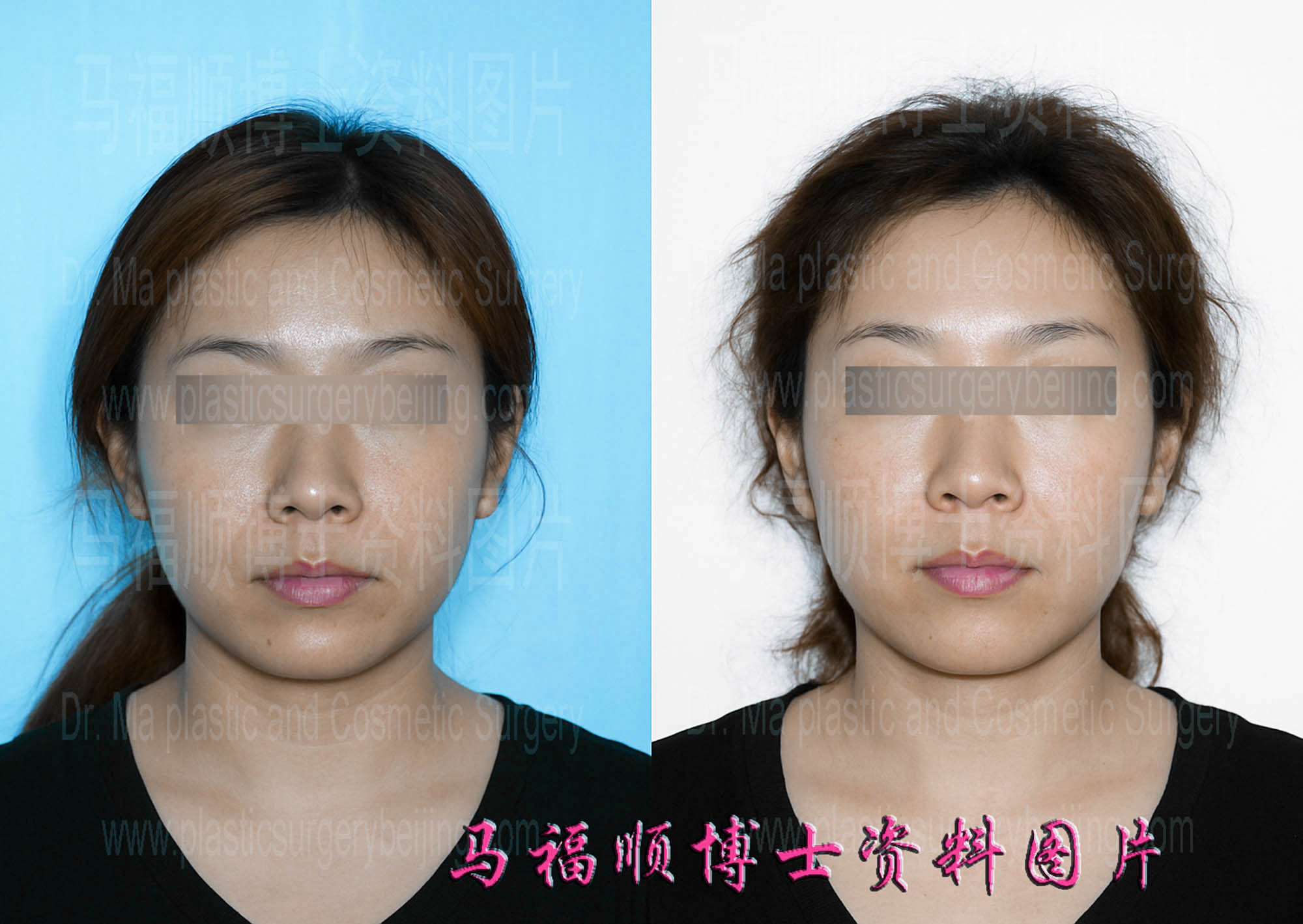
Frontal view after bimaxillary setback surgery: The mouth opening appears narrower, and the upper lip philtrum is visibly shortened.
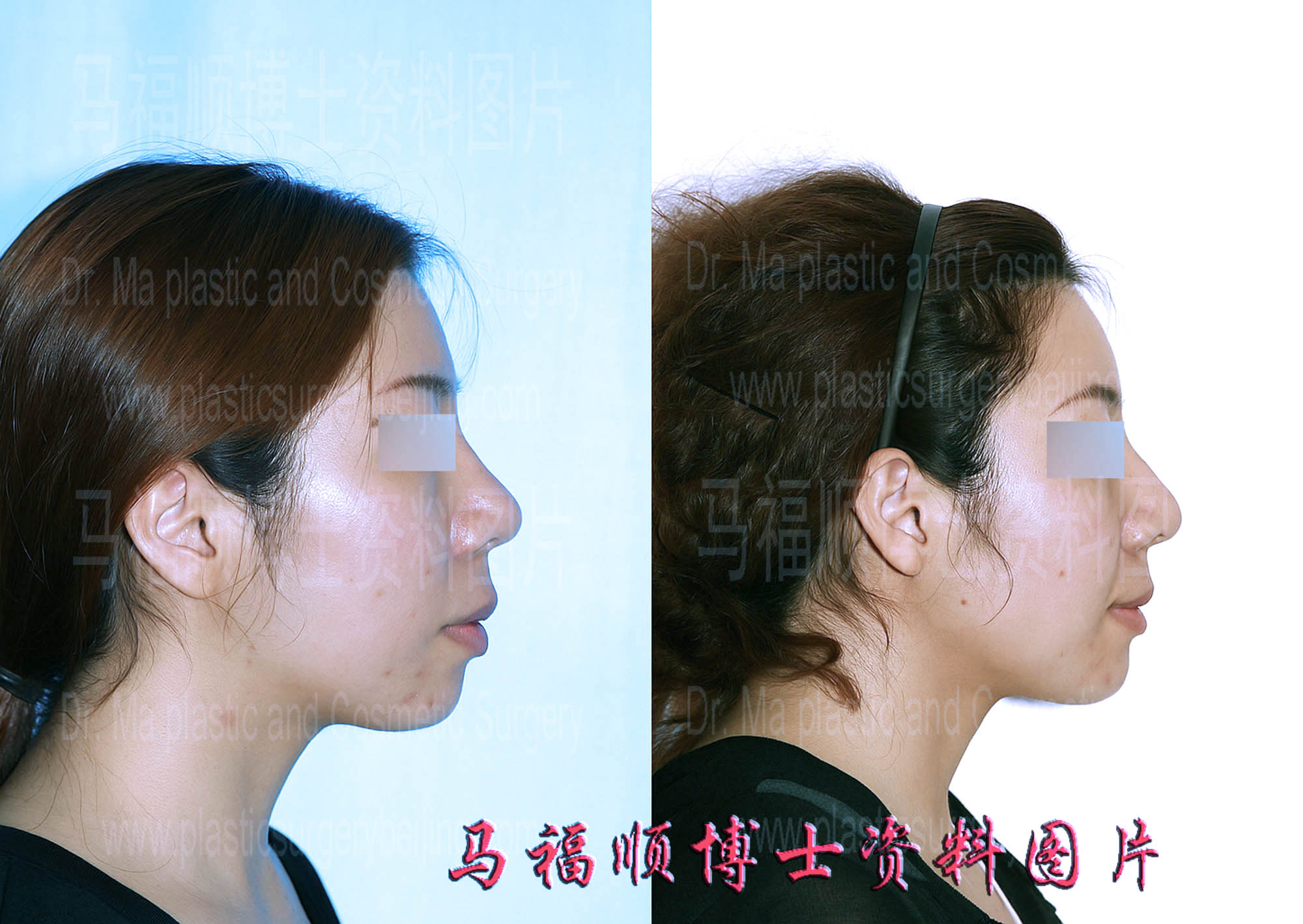 Lateral view after bimaxillary setback surgery: The nasolabial angle becomes more acute, and upward repositioning of the upper lip results in a shorter philtrum.
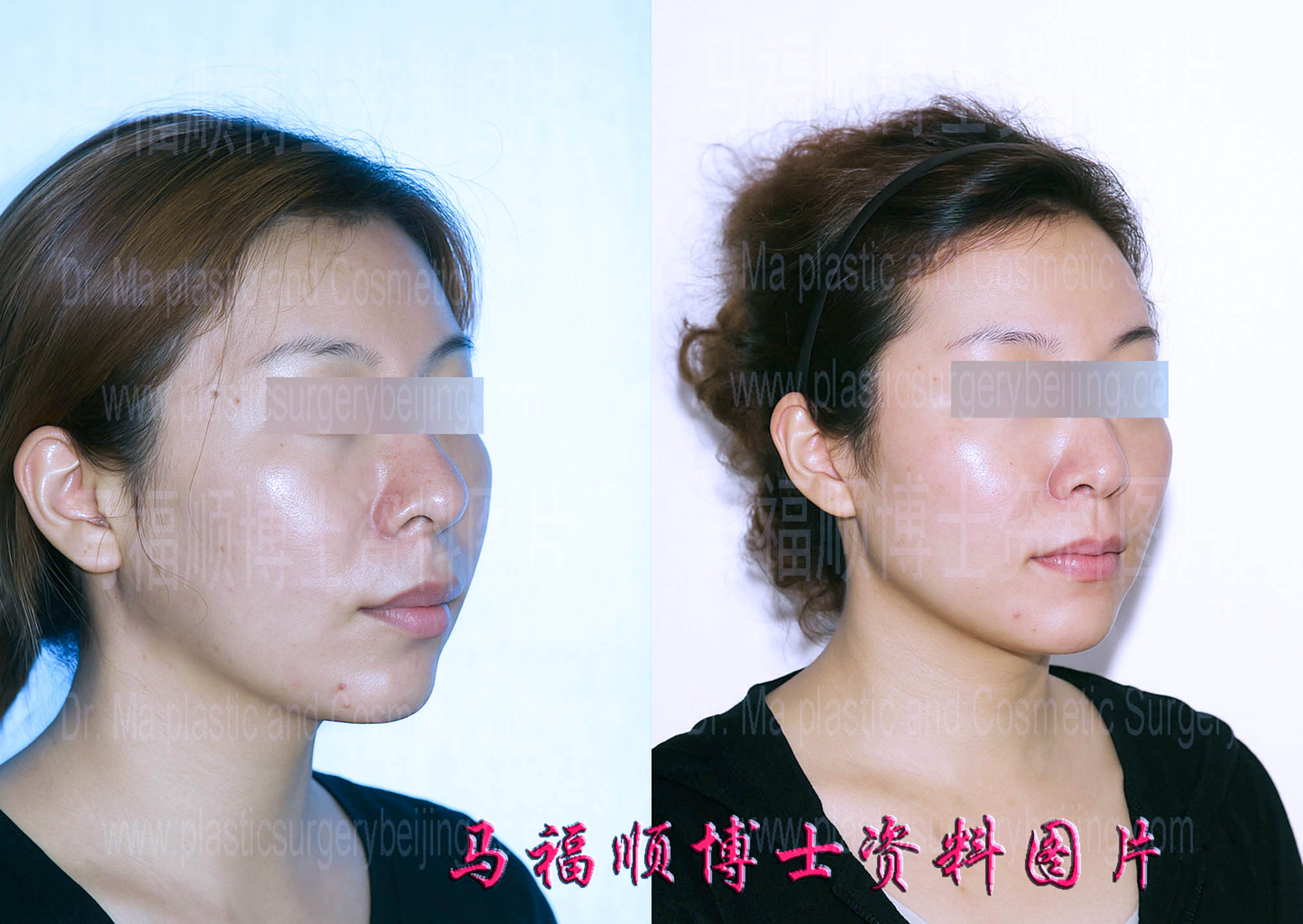
Oblique (45-degree) view after bimaxillary setback surgery: The columella appears shorter, and the upper lip is less protrusive compared to the preoperative appearance.
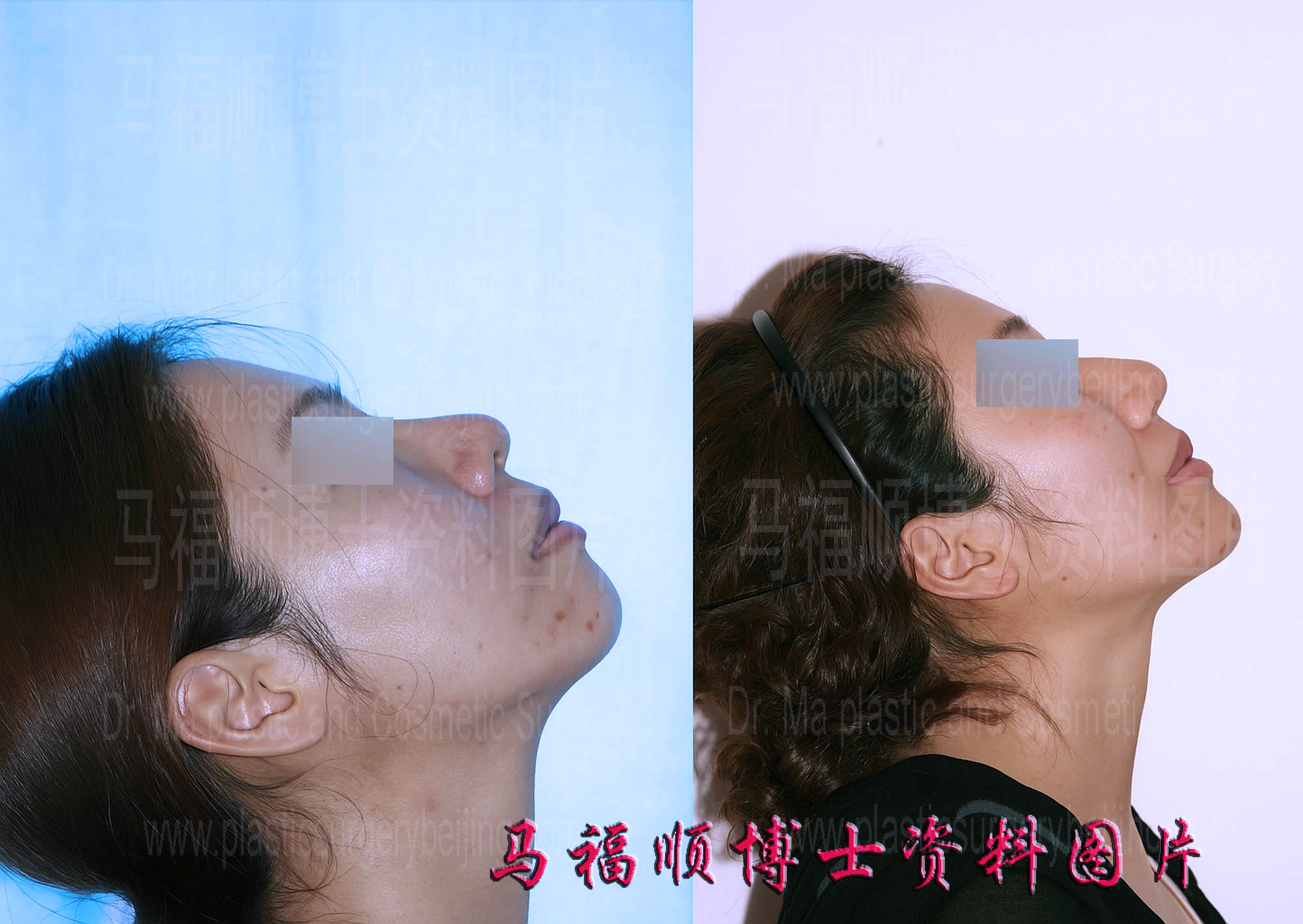
Upward (head-tilted) view after bimaxillary setback surgery: This angle clearly demonstrates the reduced nasolabial angle and posterior repositioning of the maxilla.
Long-Term Results and Patient Satisfaction
The postoperative photographs were taken two years after surgery, at the time of removal of the titanium plates and screws used for fixation. By this time, all surgical incisions had completely healed, and examination confirmed complete bone union at the osteotomy sites.
Removal of the titanium plates and screws was performed smoothly under local anesthesia. Postoperative evaluation confirmed stable skeletal structures, with no looseness of the anterior teeth in either the maxilla or mandible. The patient was discharged one day after hardware removal and expressed high satisfaction with both the functional and aesthetic results of the bimaxillary setback surgery.
